
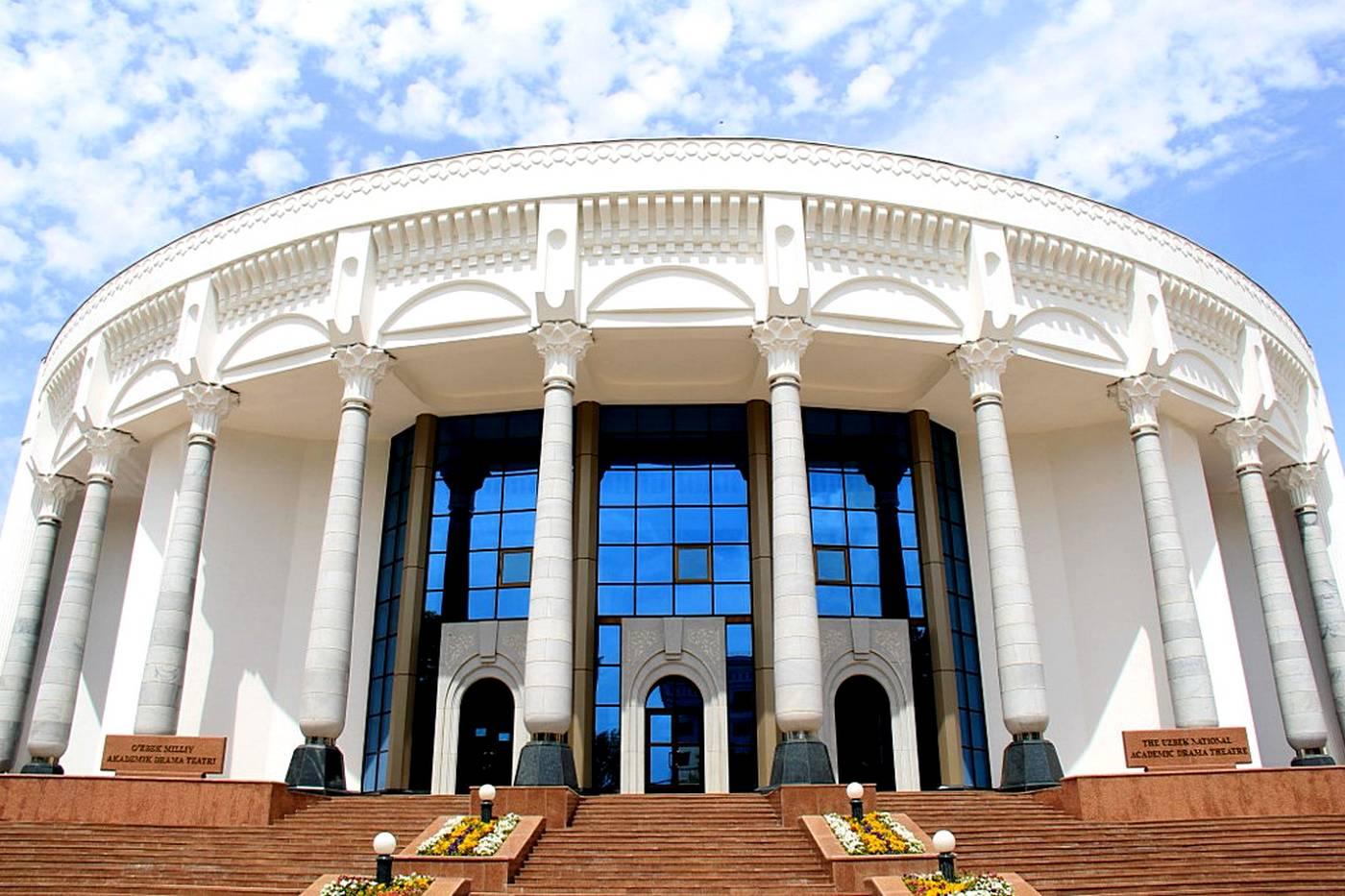
One of the first buildings on the planned Navoi Avenue was the “Rodina” (“Vatan”) cinema. It appeared near Hadra Square, next to the “Sredazugol” building. Construction took three years (1937–1940), resulting in a beautiful, modern structure with elements of national architecture — carved columns at the entrance, reminiscent of ancient mosques.
In 1966, the cinema building was severely
damaged by the earthquake. It was demolished, and the Hamza Theater was built
in its place.
In 2001, the building of the Uzbek
National Academic Drama Theater was reconstructed. After the renovation, the
theater completely changed its appearance and was equipped with new technology.
The ceiling of the auditorium is designed as a hanging dome depicting clouds
floating in a blue sky, with chandeliers around the dome resembling flower
petals. The building was expanded by 7.8 meters on both sides.
Years have passed, and although the
building’s appearance has changed several times — it still adorns our city.
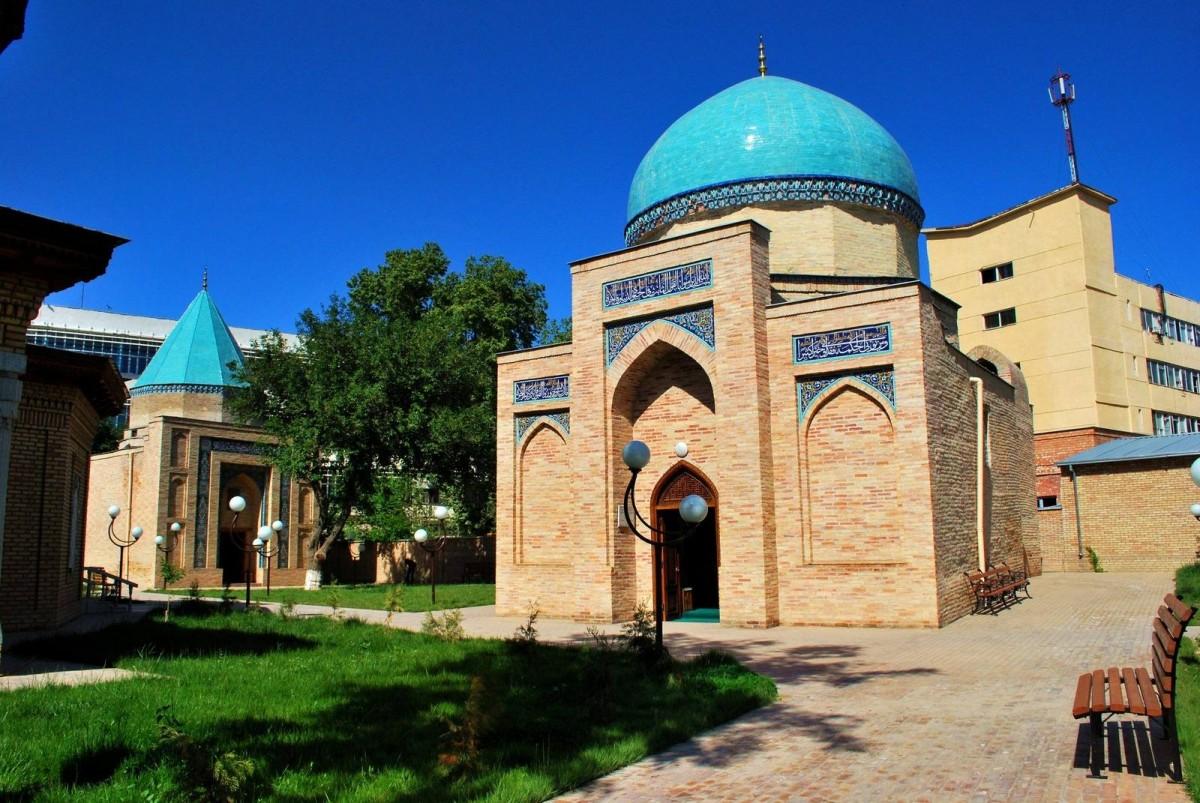
The Sheikhantahur Mausoleum (Sheikh Khavendi at-Tahur) is the main shrine of the Sheikhantahur arch...
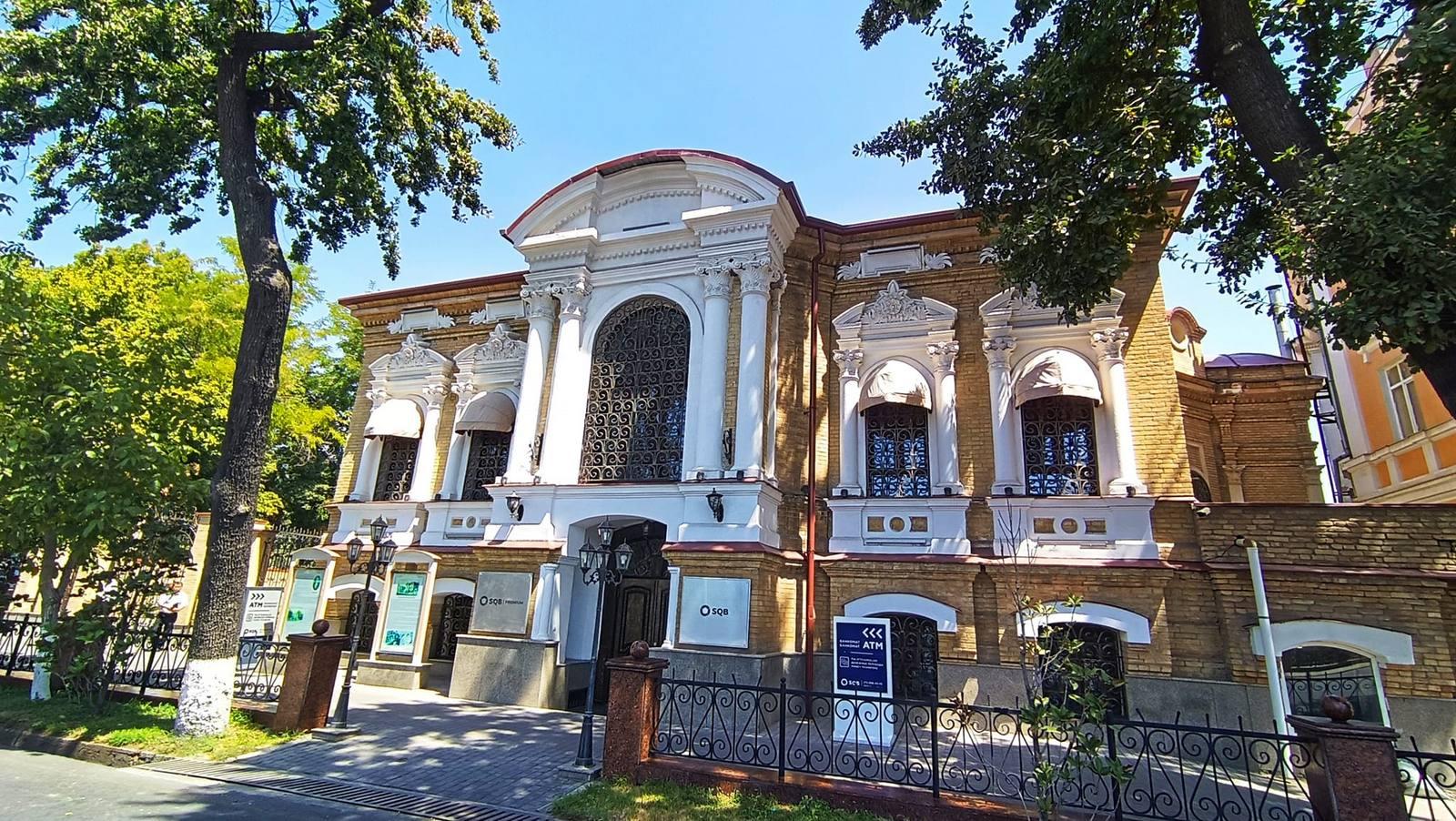
The beautiful building on the Square was constructed in 1895 by architect V. S. Heinzelman and was ...
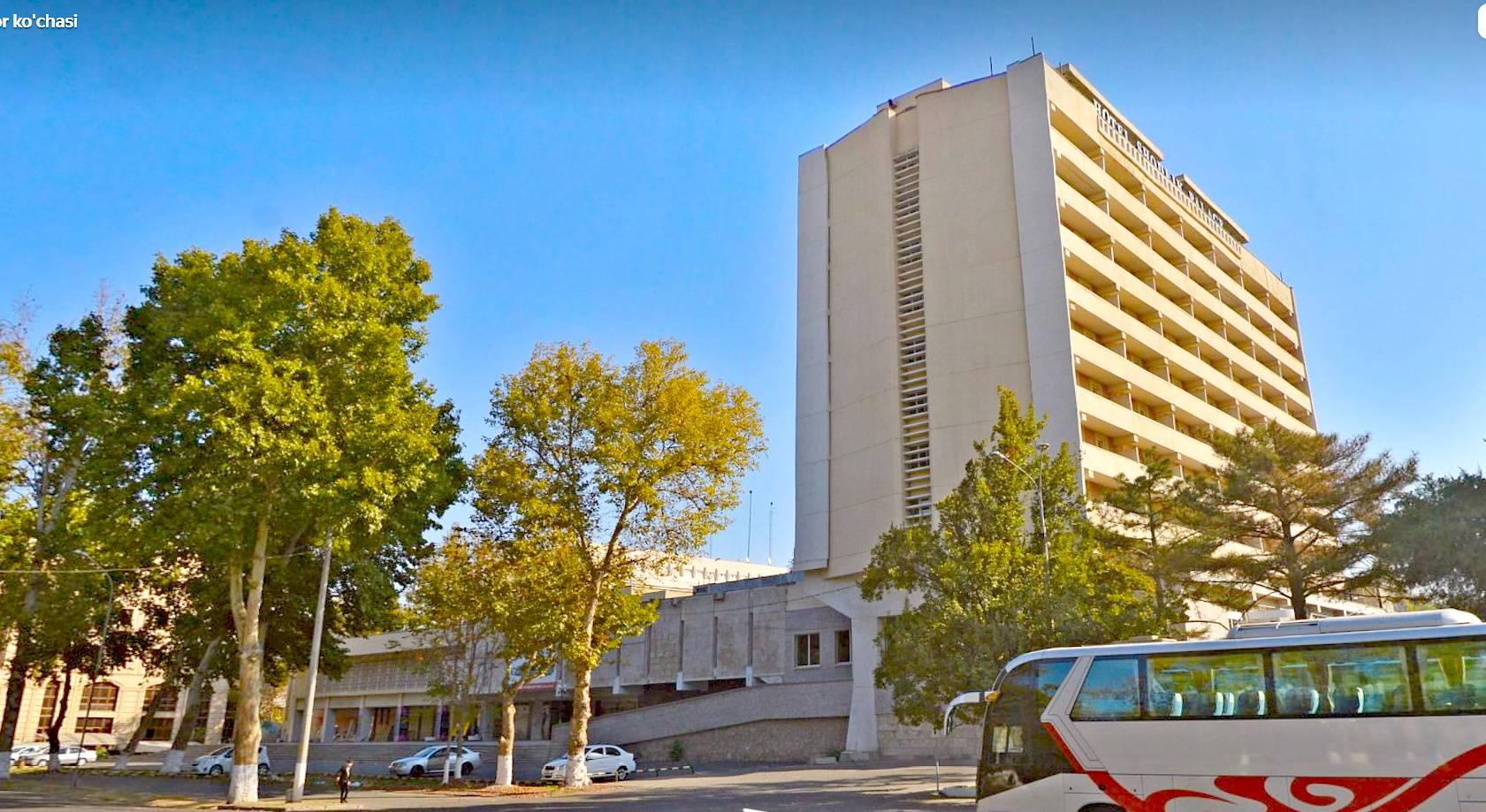
The “Shodlik” Hotel is only part of what was once a large complex built by the Central Committee o...
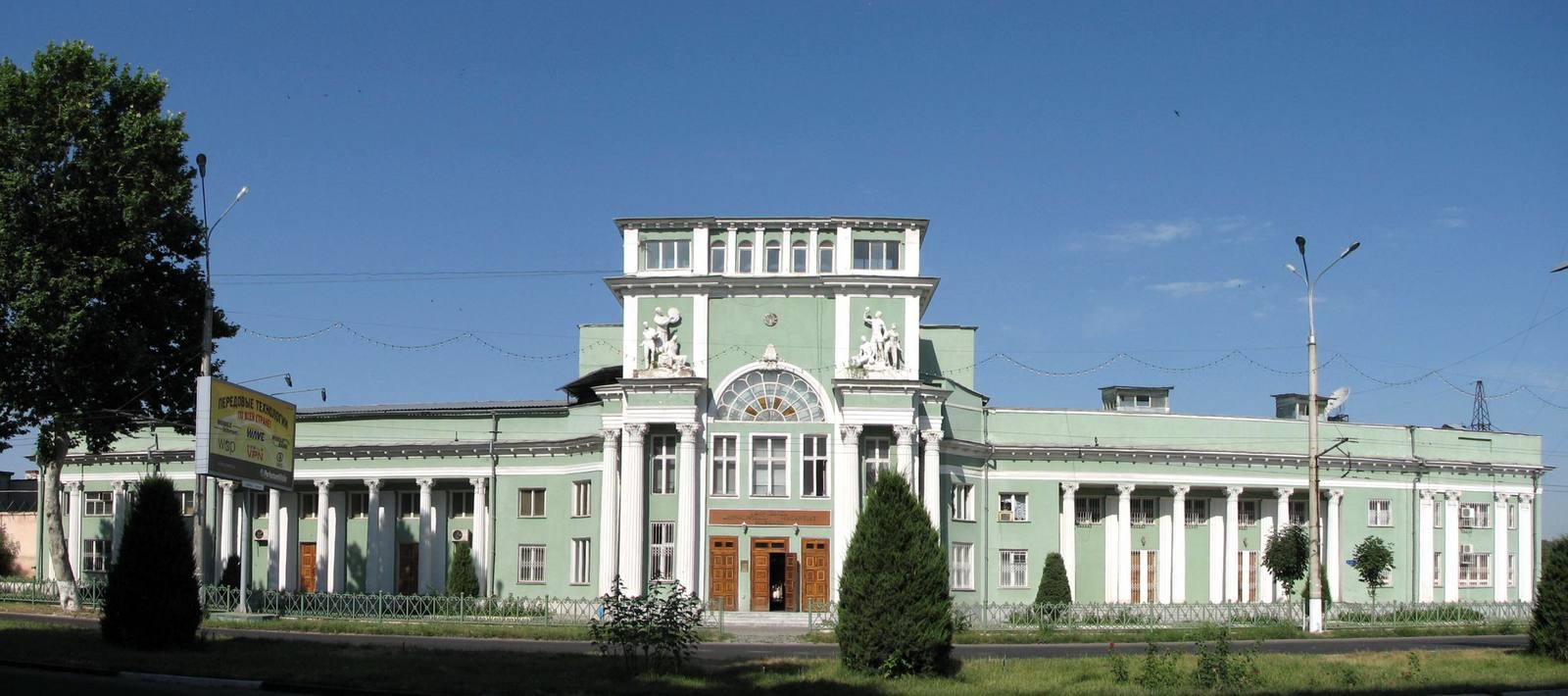
The Shoemakers’ Palace of Culture of Tashkent Production Shoe Association No. 1 was built in 1936 a...