
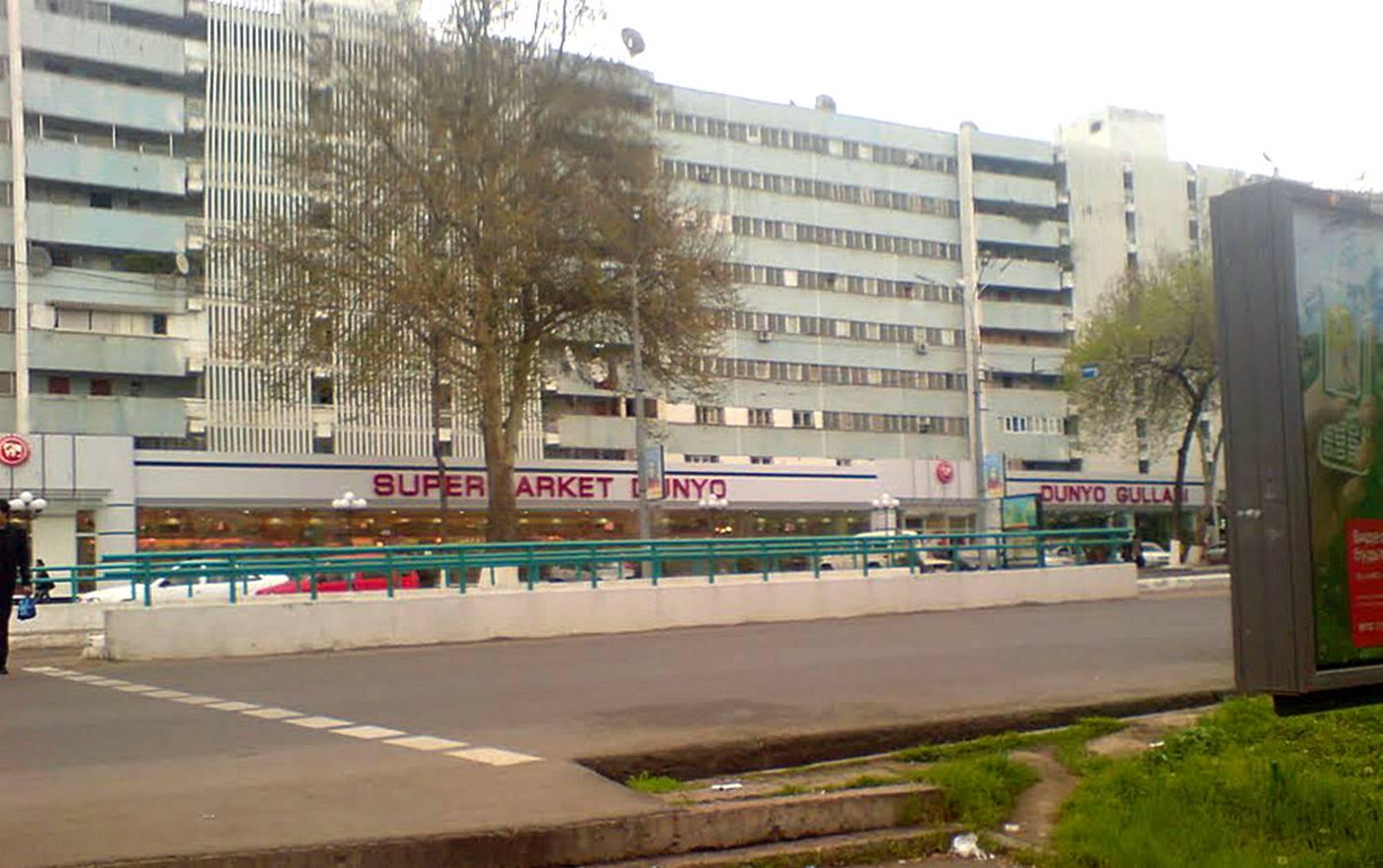
The light-blue nine-story residential buildings with the “Children’s World” store, constructed in 1970–1971, are well-recognized and loved by Tashkent residents — it’s hard to imagine the city center without them.
Project authors:
architects A. G. Rochegov, V. V. Steyskal, V. M. Ginzburg, Yu. V. Raninsky, M.
A. Firsov, and V. V. Khandzhi; engineers V. R. Feigelman and V. Rostavanov.
After the
earthquake, the narrow Pervomayskaya Street (now Shahrisabz Street) was widened
and connected the extended Navoi and Shota Rustaveli avenues, forming one of
the city center’s main transport arteries.
The buildings
located on Ts-1 and Ts-2 form distinctive “gates” for Mustaqillik Avenue
(formerly Pushkin Street).
The residential
buildings were constructed without conventional stairwell landings; instead,
external galleries serving six apartments each were installed. The blue tile
cladding on the facades gives the buildings a festive and airy appearance.
In Soviet times,
“Children’s World” was the main store for toys, stationery, sports equipment,
children’s clothing, and footwear. Today, its premises are occupied by various
organizations.
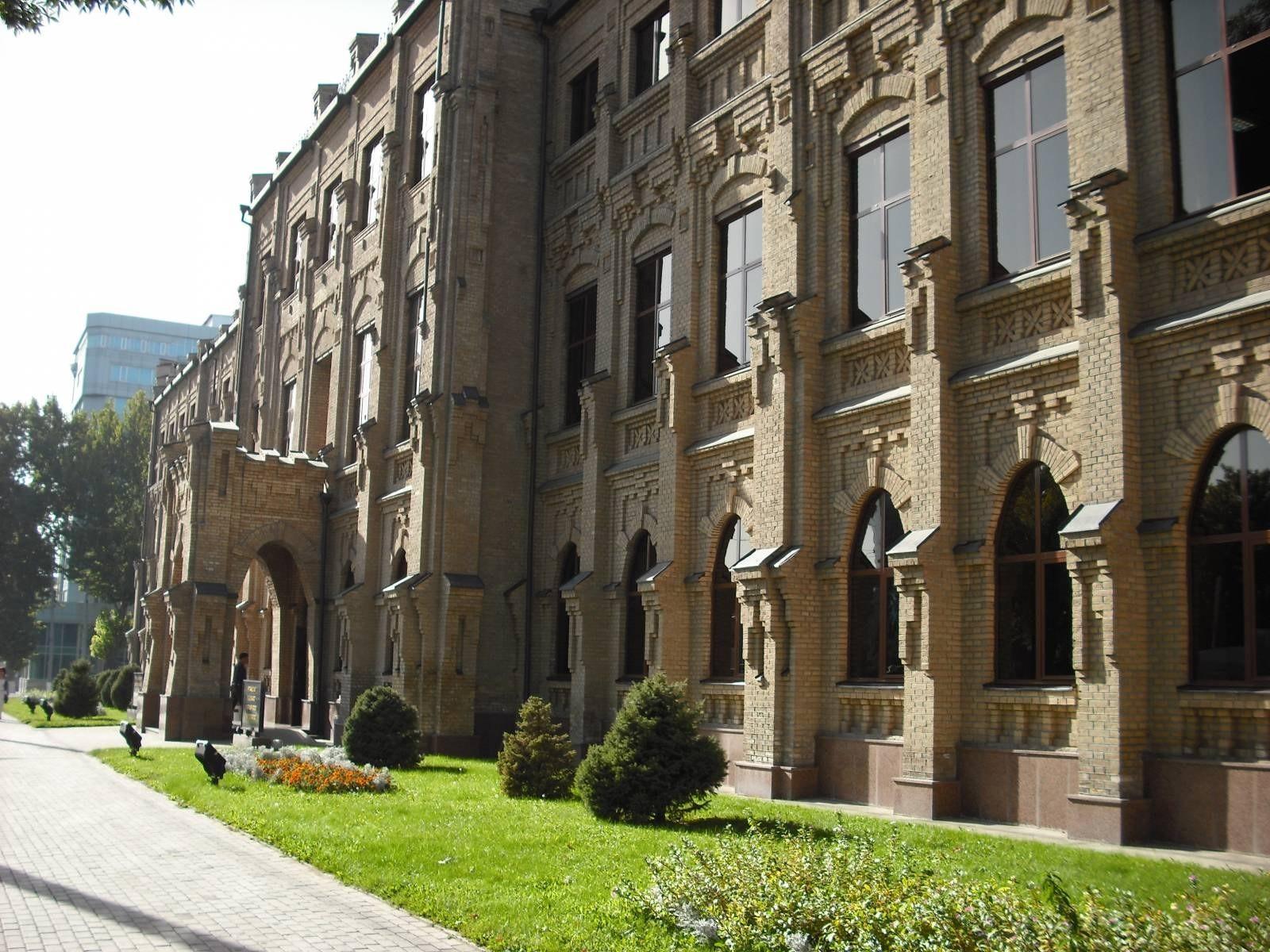
The beautiful, historic brick building located at the intersection of Istiqbol and Shahrisabz Stre...
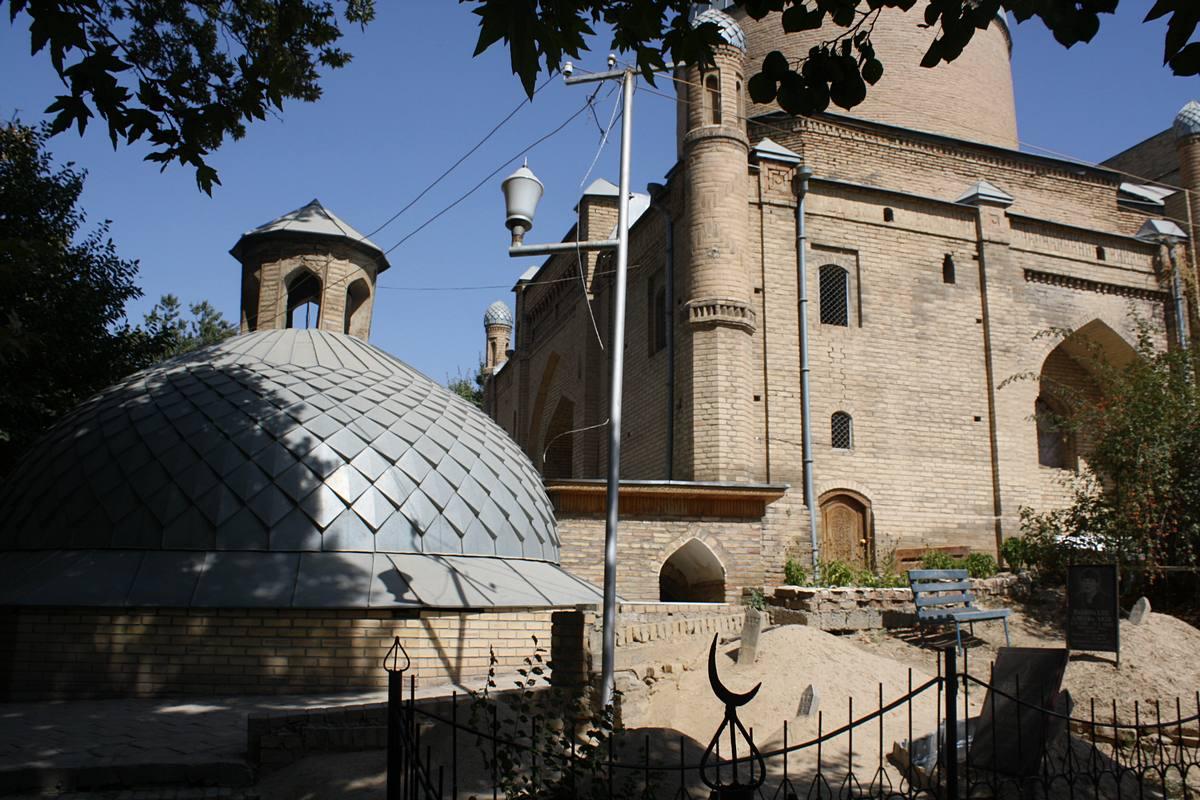
Sheikh Zaynuddin (also known as Zayniddin), the patron saint of Tashkent, was born in Baghdad in t...
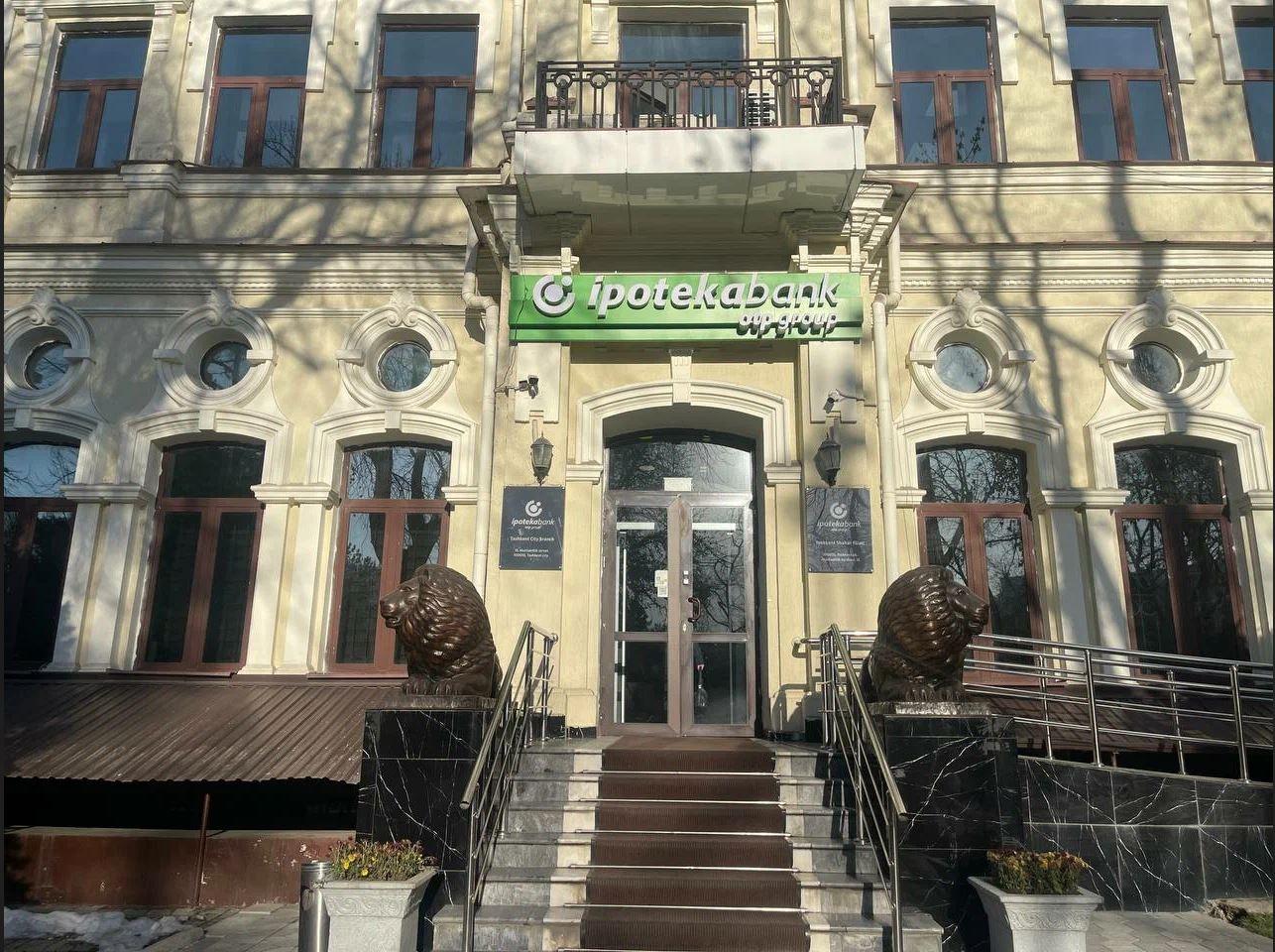
The botanist and pharmacist Hieronymus Ivanovich Krause arrived in Tashkent in 1870 and began worki...
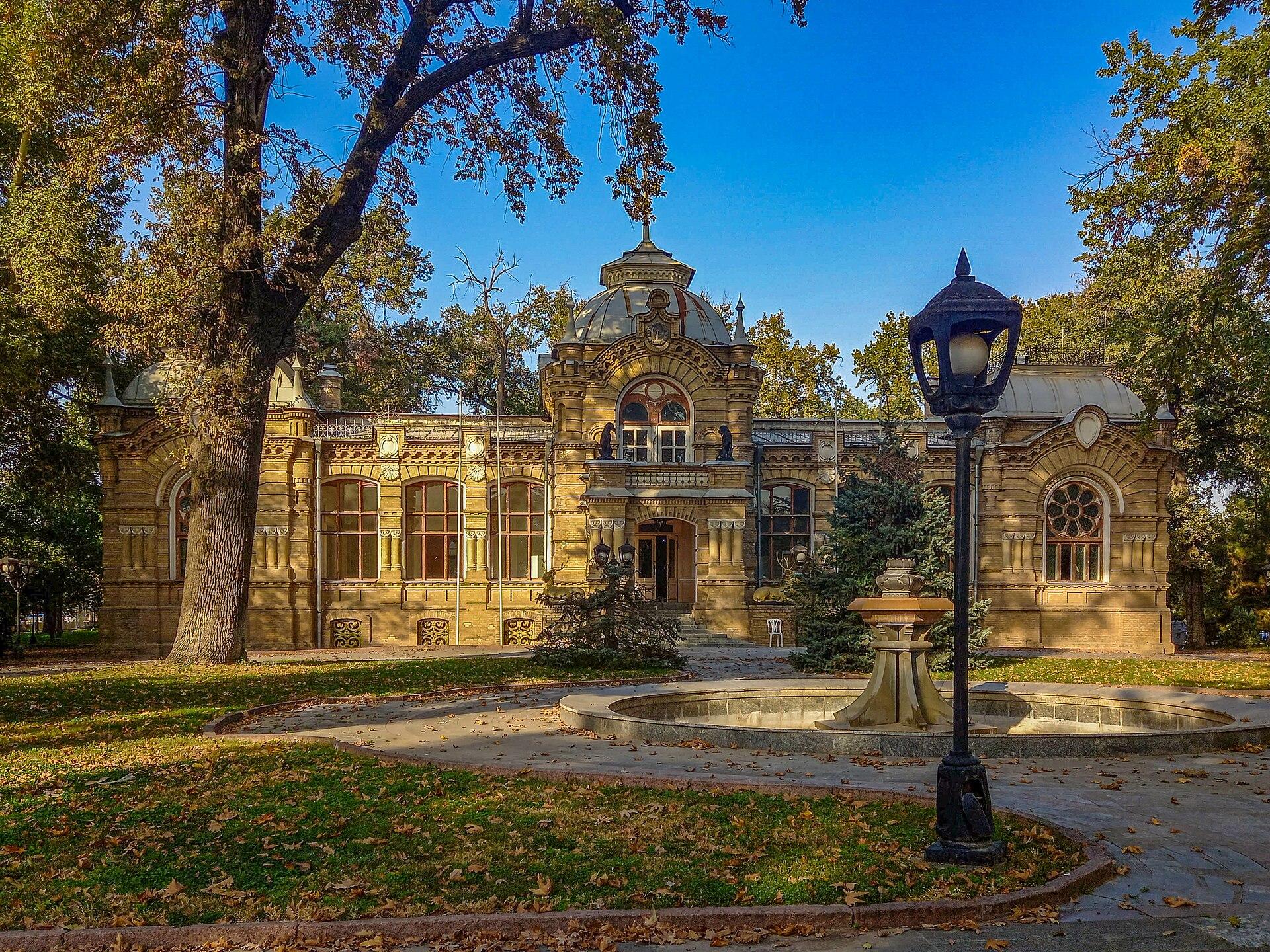
Buildings constructed in the European Art Nouveau style in Tashkent can be counted on one hand—all...