
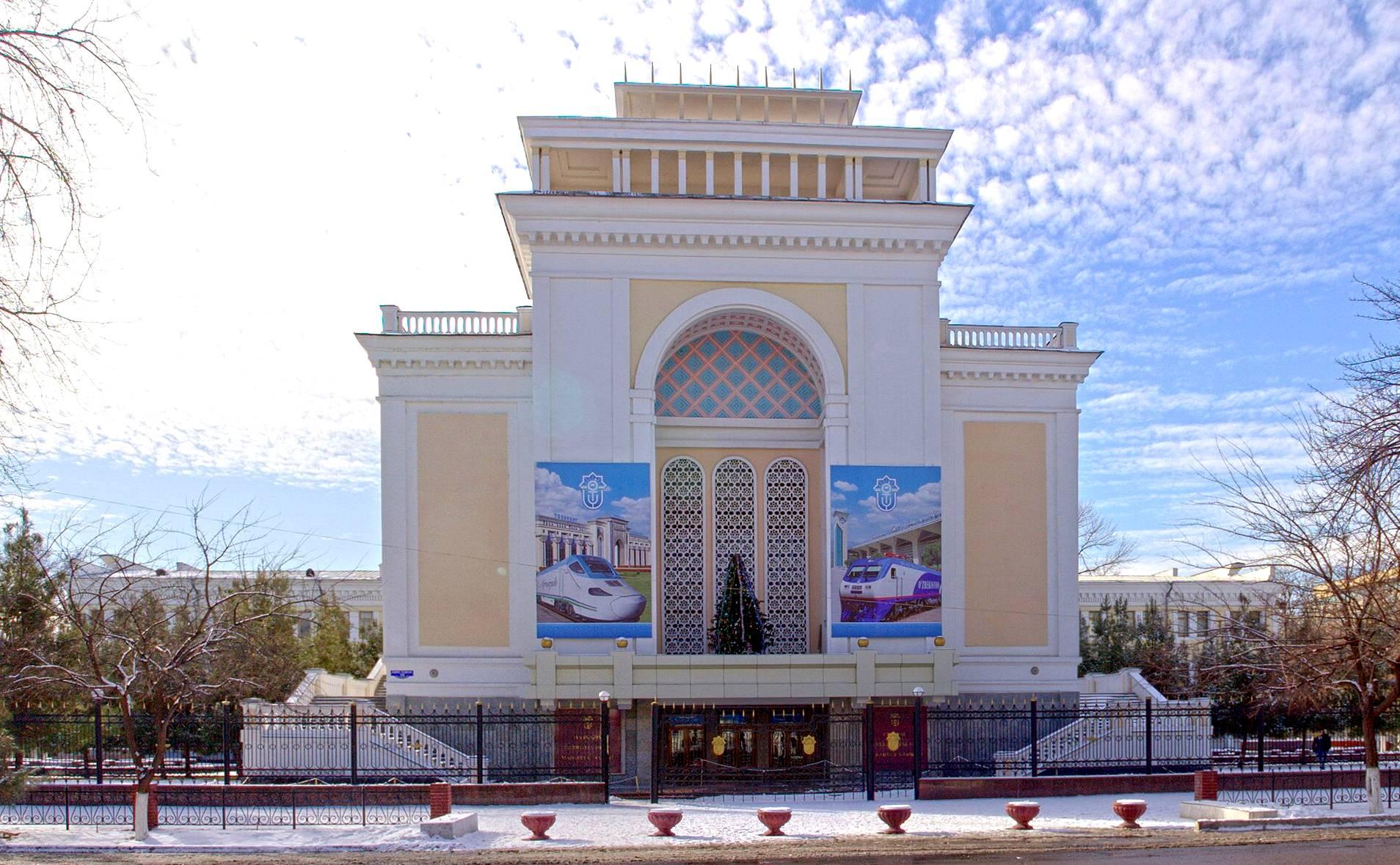
Built in 1938 according to the design of Soviet architect A. I. Pavlov in the styles of constructivism and socialist realism. In the traditions of “Stalinist” architecture, the building is decorated with vases and stucco; sculptures stood in front of the entrance.
The building houses a cinema, a concert
hall, the Central Library of the Trade Union of Railway Workers and Transport
Builders of Uzbekistan, the Road Scientific and Technical Library of the
“Uzbekistan Railways” company, and the Museum of the History of the Uzbek
Railway.
In 1979–1980, the Palace of Culture
underwent a large-scale reconstruction led by architect V. I. Piskaryov.
A small park was laid out around the
building; in recent years, part of its territory has been occupied by various
constructions.
For over 85
years, the beautiful building has been used for concerts, and various thematic
clubs operate within it.
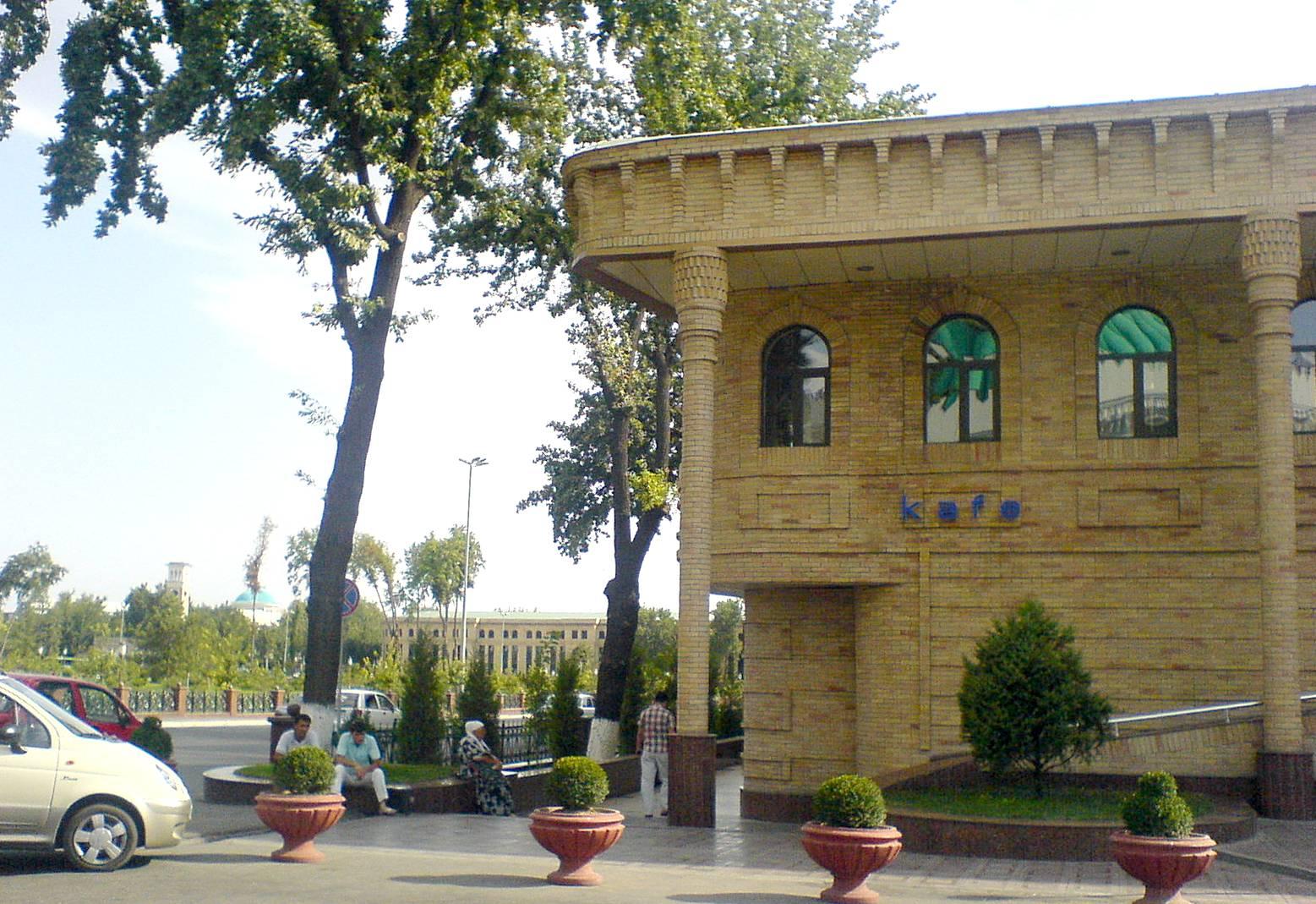
One of the oldest cafés in the city has preserved the unique taste of its signature “tapaka” chicke...
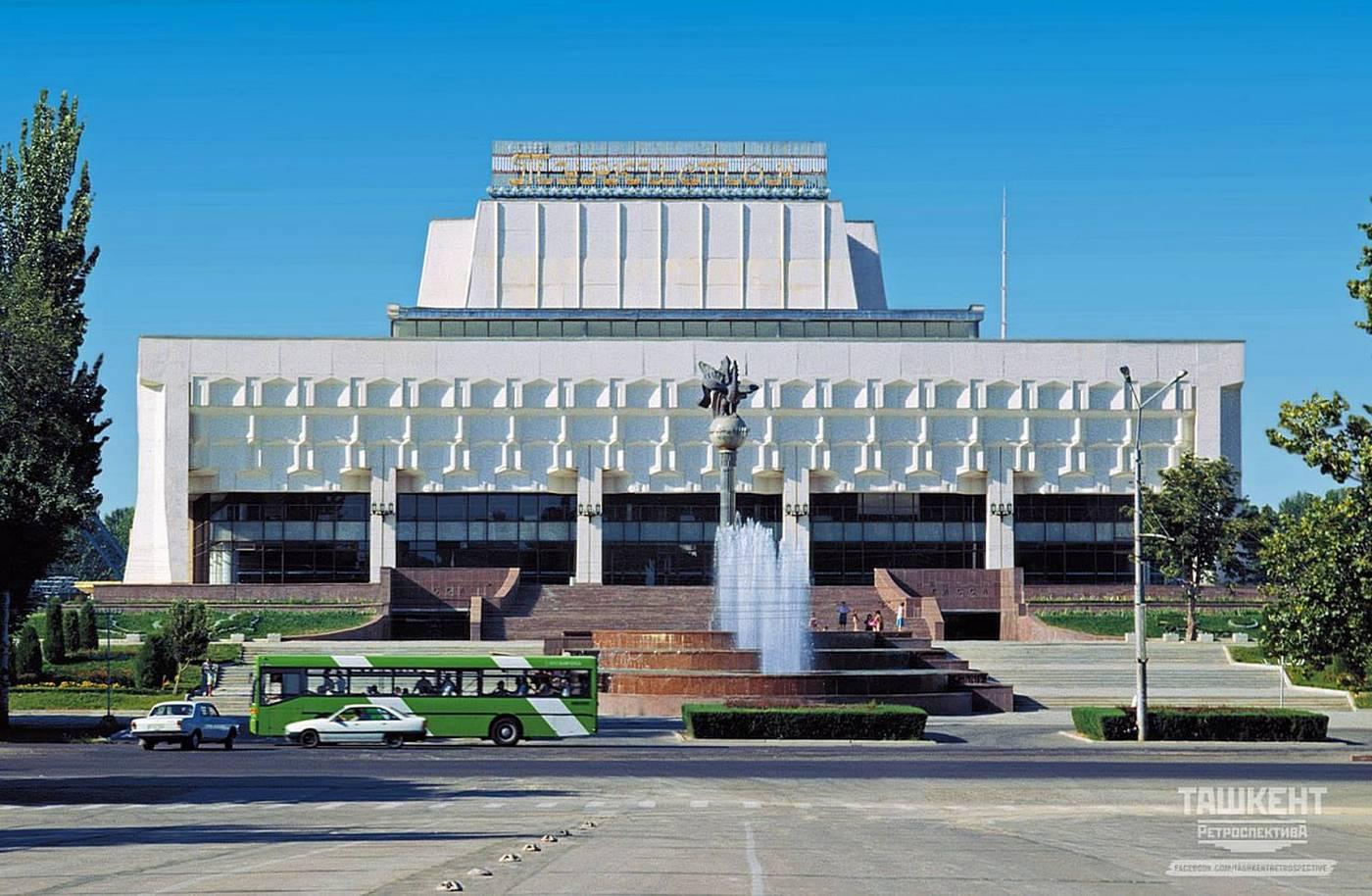
The majestic snow-white building of the concert hall is located at the intersection of Navoi Avenue...
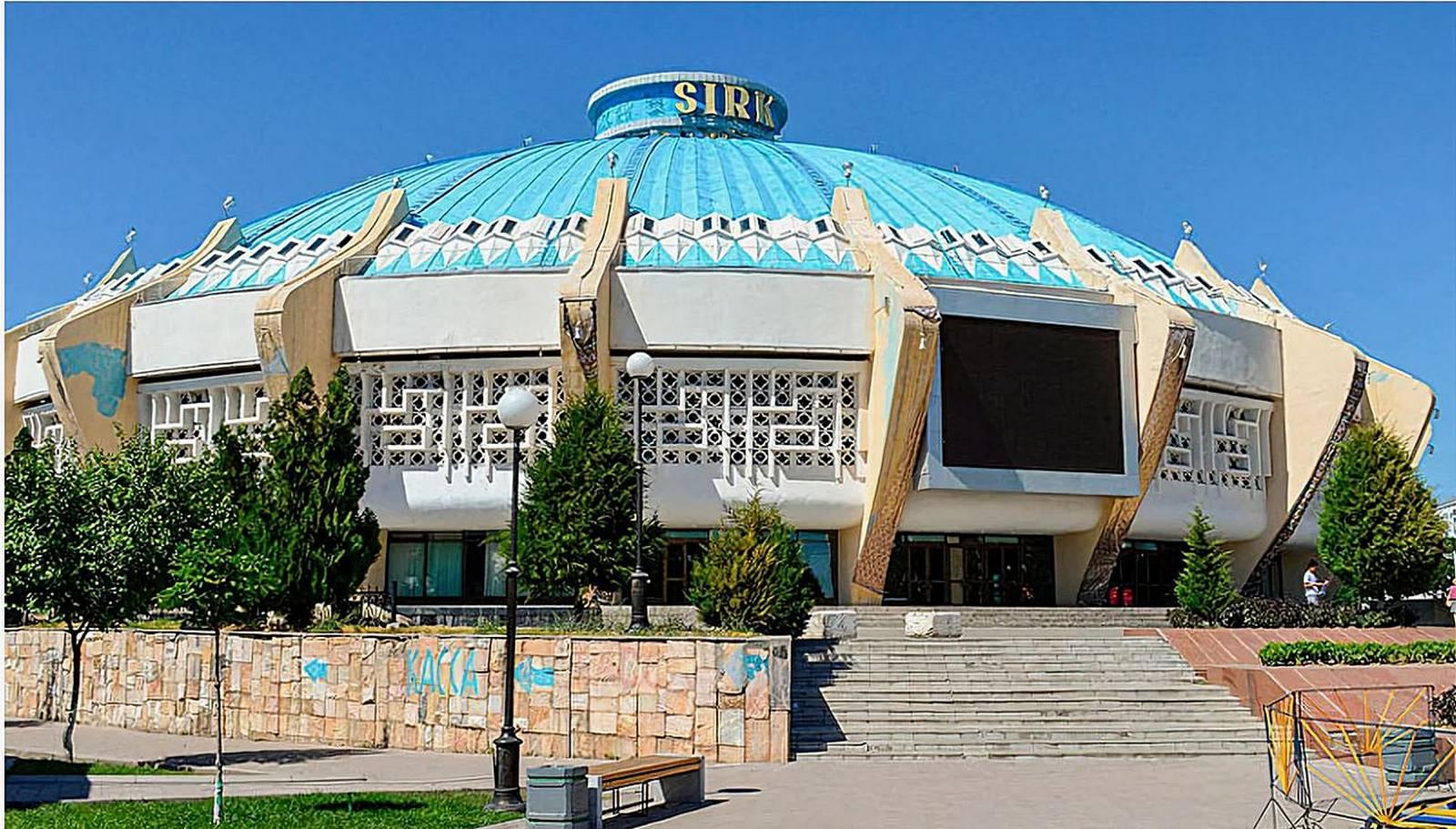
The Tashkent Circus building is one of the most beautiful in the city. It seems to float above the ...
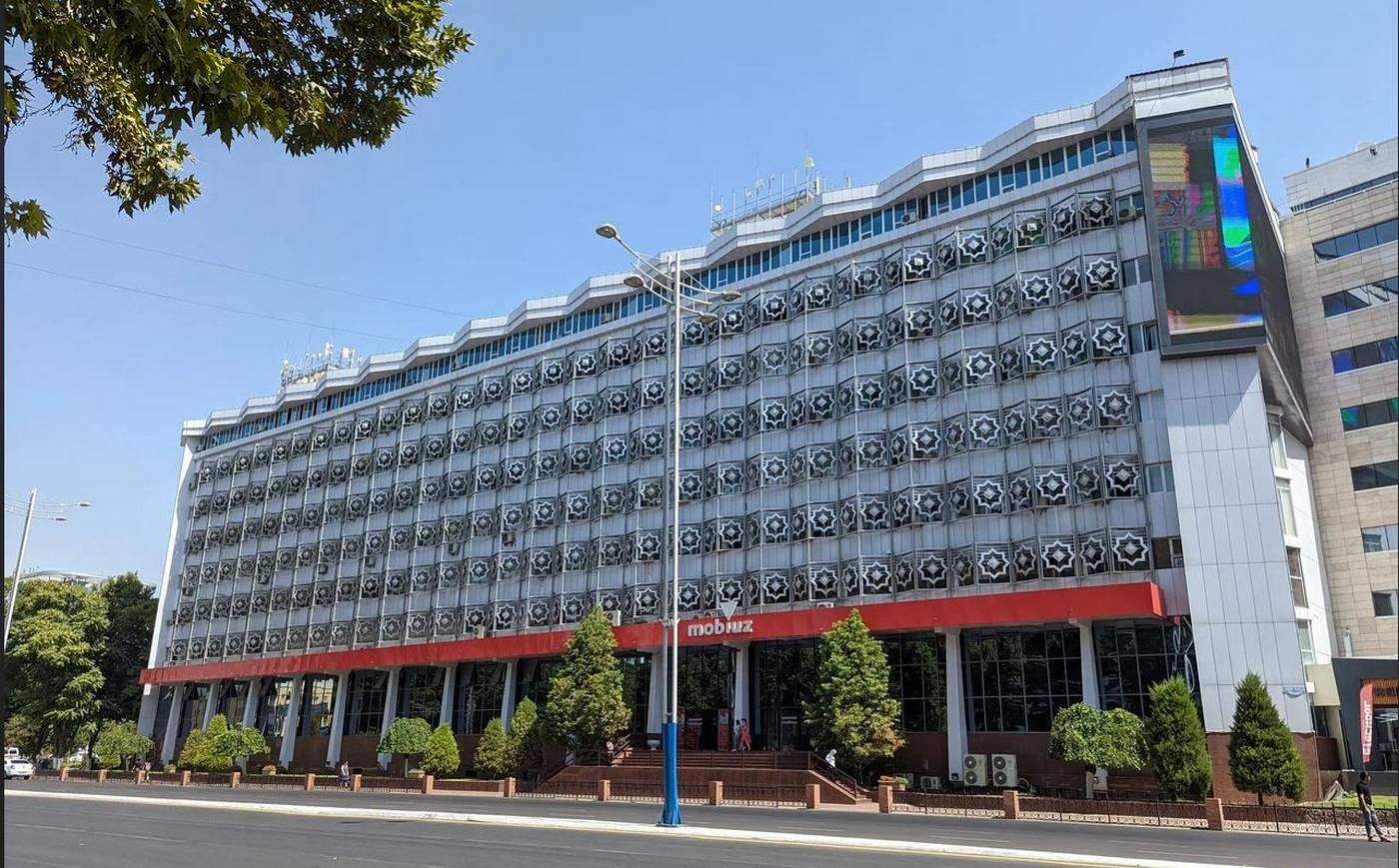
Located on Amir Temur Street, the building is recognisable for its original metallic sun-shading p...